
SCANLAN FAMILY DENTISTRY | DENTAL CARE IN RALEIGH
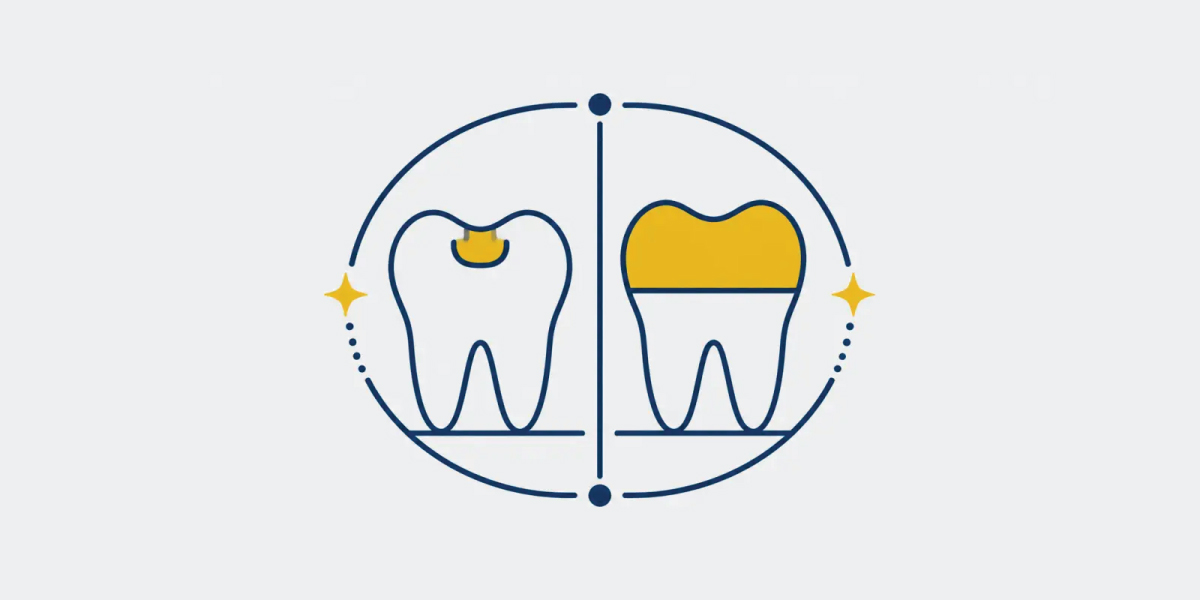
How remaining tooth structure, cracks, bite forces, and previous dental work shape the recommendation
Opening summary: If you have been told that a tooth needs a crown, it is reasonable to ask why another filling will not work. A filling repairs a limited area when enough healthy tooth remains to support it. A crown surrounds a tooth that has been weakened more extensively. We base the recommendation on the damage, cracks, remaining walls, bite forces, and treatment history, then show you the structural concern so you can understand why one option is more predictable.
Five Quick Questions
Is a crown always better than a filling?
No. When damage is limited and the remaining tooth is strong, a filling can preserve more natural structure and may be the better choice.
Why can’t a large cavity simply get a larger filling?
A larger filling is not always safer. If little healthy tooth remains, the surrounding walls may flex or break under normal chewing pressure.
Does every cracked tooth need a crown?
No. Some chips and limited fractures can be repaired more conservatively. The crack’s location, depth, symptoms, and effect on the tooth guide the plan.
Does a root canal tooth always need a crown?
Not every one. Many back teeth benefit from protection over the chewing cusps, but the tooth, bite, and amount of remaining structure must be evaluated individually.
Can a crowned tooth still have problems?
Yes. A crown can wear, loosen, break, or develop decay along its edge. Daily cleaning and regular examinations still matter after treatment.
Keep reading to see what Dr. Scanlan evaluates, why the smallest restoration is not always the most conservative long-term choice, and which questions to ask before treatment.
Fillings Work Best When Damage Is Limited
A filling replaces a specific area of tooth structure lost to decay, wear, or a small fracture. Modern composite can bond to the tooth and often allows a conservative preparation. The restoration must still be supported by healthy walls and positioned to withstand the forces in that part of the mouth. When those conditions are present, we do not recommend covering an entire tooth simply because a crown is available.
Small and moderate cavities are often good filling candidates when no major crack is present. Our dental fillings page explains how tooth-colored restorations rebuild suitable areas without covering the entire visible tooth.
Crowns Provide Broader Structural Protection
A crown, sometimes called a cap, covers most or all of the visible portion of a prepared tooth. The ADA’s description of wearing a crown notes that crowns can repair teeth weakened by large cavities, fillings, cracks, or wear.
By surrounding weakened walls and cusps, a crown can distribute chewing force more broadly than a large filling. It does not make a tooth indestructible, and it cannot guarantee that an existing crack will never progress. The goal is to provide a more protective restoration when the remaining structure cannot predictably support a filling. In that situation, repeatedly replacing larger fillings may remove more tooth and still leave the tooth vulnerable.
What the Dentist Evaluates
The examination considers how many surfaces are damaged, how thick the remaining walls are, whether a cusp is undermined, whether cracks are visible or symptomatic, and how heavily the tooth is loaded. Back molars experience different forces than front teeth. Grinding, clenching, missing neighboring teeth, and the opposing bite can change the risk.
X-rays can show decay and previous treatment but do not reveal every crack. Dr. Scanlan combines the image with the clinical examination, symptoms, magnification, bite testing, and treatment history. Sometimes the final extent is clearer only after an old restoration and damaged tissue are removed. We will tell you when that uncertainty exists rather than pretending every detail is visible before treatment begins.
Previous Treatment Can Change the Amount of Support Needed
A tooth with a large older filling may have served well for years while gradually losing surrounding structure. Replacing the filling again can enlarge the restoration and leave the remaining walls vulnerable. That history can make a crown more reasonable even if the tooth is not currently painful. The fact that nothing hurts does not prove the tooth is strong, but it also does not eliminate your right to see and understand the concern.
Root canal treatment also changes the restorative plan because the tooth often has substantial previous damage and no longer responds to symptoms in the same way. Many back teeth benefit from coverage of the chewing cusps. Front teeth and minimally damaged teeth may be handled differently. Recommendations should be individualized rather than based on a universal rule.
Understand the Tradeoffs Before Choosing
A filling is usually more conservative and may cost less, but it can be unreliable if too little tooth remains. A crown requires more preparation and laboratory or fabrication steps, but it may better protect a weakened tooth. We will discuss what could happen with each option, how urgent the decision is, and whether monitoring is reasonable. Conservative dentistry means choosing the least invasive option that can work predictably, not automatically choosing the smallest procedure today.
After treatment, keep the crown or filling clean along its margins and report pain when biting, a changed bite, looseness, or a rough edge. Nightguard use may be recommended for grinding. Our dental crowns page explains the process and maintenance expectations.
Scanlan Family Dentistry, formerly known as Galligan Family Dentistry, provides conservative restorative care for families in North Raleigh. Our role is to protect the tooth while helping you understand the tradeoffs, cost, and expected maintenance before you choose treatment.
Get a Clear Restorative Recommendation
If you have a large cavity, cracked tooth, broken filling, or an unanswered question about a crown recommendation, call us. Dr. Scanlan will evaluate the tooth, show you the concern, and explain which restorative option is most likely to protect it.