
Tooth Bonding
Cosmetic Bonding
Cosmetic tooth bonding is a conservative cosmetic dental treatment used to improve small smile imperfections using tooth-colored composite resin.
Bonding is commonly used to improve:
- chipped teeth
- uneven edges
- small gaps
- minor shape irregularities
- localized discoloration
Because bonding typically requires minimal alteration of healthy enamel, many patients choose it for smaller cosmetic improvements that do not require more extensive treatment like veneers or crowns.
Many bonding procedures can also be completed in a single visit to our office in North Raleigh depending on the number of teeth involved and the complexity of the treatment.
What Is Cosmetic Tooth Bonding?
Tooth-Colored Composite Resin
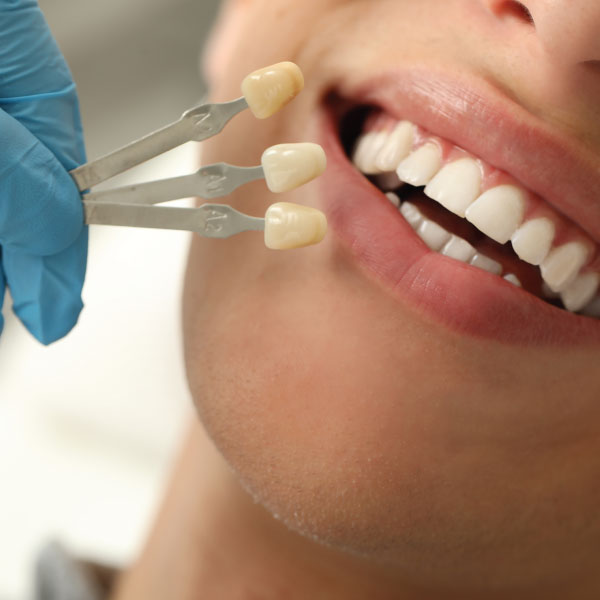
Cosmetic bonding uses a tooth-colored composite resin material that is carefully shaped directly onto the tooth to improve appearance and symmetry.
The material is color-matched to surrounding enamel so the final result blends naturally with nearby teeth.
Conservative Cosmetic Treatment
Unlike more extensive cosmetic procedures, bonding often requires little to no removal of healthy tooth structure. That makes it one of the more conservative cosmetic dentistry options available for qualifying patients.
Patients interested in additional cosmetic treatment options may also want to explore porcelain veneers or professional teeth whitening depending on their goals.
When Is Cosmetic Bonding Recommended?
Chipped or Worn Teeth
One of the most common reasons patients consider cosmetic bonding is to improve small chips or worn edges on front teeth. Even minor imperfections can become noticeable while speaking or smiling, particularly on visible areas of the smile.
Bonding can often restore the shape and contour of a chipped tooth while blending naturally with surrounding enamel.
Small Gaps Between Teeth
Cosmetic bonding may also help improve small spaces between teeth in certain situations. For patients with minor spacing concerns, bonding can sometimes create a more balanced appearance without orthodontic treatment.
Larger spacing or bite alignment concerns may still require orthodontic treatment for more predictable long-term correction.
Tooth Shape Irregularities
Some patients naturally have teeth that appear uneven, narrow, asymmetrical, or slightly misshapen. Cosmetic bonding can often improve visual balance while preserving most healthy natural tooth structure.
Minor contouring changes can sometimes create a noticeably more uniform smile appearance.
Localized Discoloration
Bonding may also improve certain types of discoloration that whitening treatment alone may not adequately correct, including isolated darker areas, white spot irregularities, or discoloration from previous trauma.
Some patients combine bonding with professional teeth whitening for more comprehensive cosmetic improvement.
What Happens During the Bonding Process?
Conservative Cosmetic Treatment
Cosmetic bonding usually requires minimal preparation. The tooth is lightly prepared, and tooth-colored composite resin is carefully shaped directly onto the tooth to improve appearance and symmetry.
Once the desired shape is achieved, the material is hardened with a curing light and polished to blend naturally with surrounding enamel. Many bonding procedures can be completed in a single visit.
How Long Does Cosmetic Bonding Last?
Bonding Longevity and Maintenance
Cosmetic bonding is durable, but it is not permanent. Longevity depends on factors like bite pressure, grinding habits, oral hygiene, and the size and location of the bonded area.
Because composite material can stain gradually over time, habits like smoking or frequent coffee and red wine consumption may affect appearance. Patients who grind or clench their teeth may also benefit from a custom nightguard to help protect bonded teeth from excessive wear.

Who Is a Good Candidate for Cosmetic Bonding?
Cosmetic bonding is often a good option for patients with relatively healthy teeth who want to improve smaller cosmetic concerns like chips, uneven edges, mild spacing, minor asymmetry, or localized discoloration without more extensive treatment.
Before bonding is performed, any active dental problems like untreated decay, gum disease, or significant structural damage may need to be addressed first. Patients with ongoing gum concerns can also learn more about gum disease treatment and periodontal care by clicking here.
What Cosmetic Bonding Cannot Correct
While cosmetic bonding can produce meaningful improvements for smaller imperfections, it may not be the best option for severe discoloration, major crowding, large bite problems, or heavily damaged teeth requiring additional structural support.
Depending on the condition of the teeth and long-term goals, some patients may ultimately benefit more from veneers, orthodontics, crowns, or restorative treatment instead. Patients with structurally weakened teeth may also require dental crowns.
Frequently Asked Questions About Cosmetic Bonding
If you have additional questions about our dental bonding services or would like to schedule an evaluation, our team is here to help.
Interested In Learning More?
New Patient? Start Below.

Location
Galligan Family Dentistry
11420 Falls of Neuse Rd
Raleigh, NC 27614
Contact
Hours
Monday: 8:30 AM - 5:00 PM
Tuesday: 8:30 AM - 5:00 PM
Wednesday: 8:30 AM - 5:00 PM
Thursday: 8:30 AM - 5:00 PM
Friday: Closed
Saturday: Closed
Sunday: Closed

What Does it Mean to Shop Mom and Pop?