
Full Mouth Rehabilitation
Full Smile Restoration
When teeth are worn, broken, missing, or causing chronic discomfort, it can affect far more than appearance. Eating becomes difficult. Smiling feels guarded. Jaw tension or bite imbalance may lead to ongoing pain or repeated dental problems.
Full mouth rehabilitation is a comprehensive, carefully planned approach to restoring health, strength, and confidence when multiple concerns exist at the same time. Rather than treating one tooth at a time, we evaluate how everything works together. The goal is not simply to repair damage, but to create a stable, functional, natural-looking result that supports long-term comfort and durability.
At Galligan Family Dentistry, we approach full mouth rehabilitation with careful diagnosis, thoughtful sequencing, and a commitment to predictable outcomes. Every plan is personalized, because no two smiles break down in the same way.
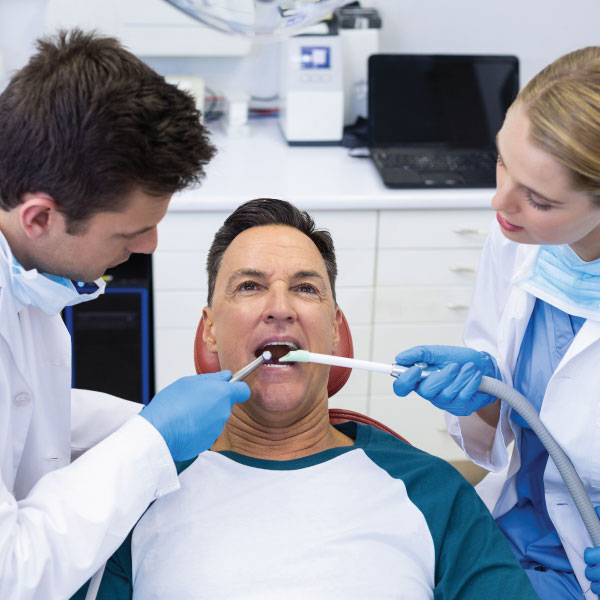
When Full Mouth Rehabilitation May Be Needed
Full mouth rehabilitation is considered when dental problems are widespread or interconnected.
Common situations include:
- Multiple broken, heavily worn, or cracked teeth
- Extensive decay affecting several teeth
- Significant tooth loss
- Long-term grinding or clenching damage
- Bite imbalance causing jaw discomfort or muscle strain
- Repeated failure of previous dental work
In these cases, isolated repairs often lead to continued breakdown. Addressing the bite, the wear patterns, and the remaining tooth structure together allows us to rebuild in a way that is stable and protective moving forward.
Not every patient requires every possible procedure. The treatment plan is based entirely on the condition of your teeth, gums, bone support, and long-term goals.
Procedures That May Be Part of Full Mouth Rehabilitation
Full mouth rehabilitation is not a single procedure. It is a coordinated treatment plan that may involve multiple restorative treatments designed to rebuild the function, health, and appearance of the smile.
Every treatment plan is personalized based on the condition of the teeth, gums, bite alignment, and overall oral health. Some patients require only a few restorative procedures, while others benefit from a more comprehensive approach.
Treatments that may be part of a full mouth rehabilitation plan include:
Dental Crowns
Dental Bridges
Implant Restorations
Dental Fillings or Bondings
Dentures
Periodontal Therapy
Choosing the Right Rehabilitation Strategy
When multiple teeth are compromised, treatment options typically fall into structured categories: restoring what can be preserved, replacing what cannot, and stabilizing the bite so new work lasts.
- Some teeth may be strengthened with crowns.
- Missing teeth may be replaced with bridges or implant-supported restorations.
- In certain cases, removable prosthetics may be appropriate.
If advanced procedures such as implant placement, root canal therapy, or periodontal surgery are required, we coordinate care with trusted specialists. Dr. Scanlan has worked closely with experienced prosthodontists and maintains an established referral network to ensure any surgical or specialty phase is handled seamlessly.
Once that phase is complete, patients return to our office for the restorative coordination and final reconstruction.
Our role is to design and guide the complete plan so that each step supports the next. The result is unified, not pieced together.
What to Expect During Treatment
Full mouth rehabilitation is completed in stages rather than a single visit. The overall timeline depends on healing requirements, specialty coordination, and the number of teeth involved.
Appointments are structured and organized. Each phase builds on the previous one. When restorative treatment is performed, we use modern techniques and materials designed for durability and natural appearance.
If anesthesia is needed, we prioritize patient comfort. Whenever appropriate, we use the Wand Single Tooth Anesthesia System to deliver anesthetic in a controlled, precise manner.
Between phases, healing and adaptation are monitored carefully. Temporary restorations may be used to maintain appearance and function while final restorations are being fabricated.
Aftercare and Longevity
Rehabilitation does not end when treatment is complete. Long-term success depends on maintenance.
With proper brushing, flossing, and regular professional visits, full mouth rehabilitation can provide durable, lasting results. We monitor bite balance, evaluate wear patterns, and address small adjustments early to protect your investment.
For patients with a history of grinding or clenching, protective appliances such as custom night guards may be recommended to reduce stress on restorations.
Ongoing care ensures that the rebuilt smile remains strong, functional, and comfortable for years to come.
Frequently Asked Questions About Full Mouth Rehabilitation
If you have additional questions about full mouth rehabilitation or would like to schedule an evaluation, our team is here to help. A comprehensive exam allows us to assess the condition of your teeth, gums, and bite so we can determine the most appropriate path toward restoring your smile.
A Path to Your Complete Smile
If you have lived with a smile that feels compromised, painful, or incomplete, there is a structured path forward. Full mouth rehabilitation is not about perfection. It is about restoring strength, balance, and confidence in a way that feels stable and sustainable.
At Galligan Family Dentistry, we coordinate comprehensive restorative care with clarity, collaboration, and long-term planning for patients throughout North Raleigh, Wake Forest, Rolesville, and surrounding communities. Our goal is to rebuild your smile thoughtfully, so it supports you in every conversation, every meal, and every moment that matters.
New Patient? Start Here.

Location
Galligan Family Dentistry
11420 Falls of Neuse Rd
Raleigh, NC 27614
Contact
Hours
Monday: 8:30 AM - 5:00 PM
Tuesday: 8:30 AM - 5:00 PM
Wednesday: 8:30 AM - 5:00 PM
Thursday: 8:30 AM - 5:00 PM
Friday: Closed
Saturday: Closed
Sunday: Closed

What Does it Mean to Shop Mom and Pop?